

A gentle note before you begin: this post talks about childhood pain. Please go at your own pace. If you are in crisis or thinking about harming yourself, call or text 988 (Suicide & Crisis Lifeline) or call 911.
Hi friend,
Maybe you’ve wondered, “Is this book for someone like me?” It’s a brave question. When you’ve carried hard things from childhood for a long time, picking up a book about it can feel like opening a door you’ve kept shut on purpose.
When I wrote the introduction to Wholehearted Healing, this is how I put it:
“This book is my offering to you, whether you have endured childhood trauma, love someone who has, or want to know more. … Whether you’re at rock bottom or just feeling stuck, I want you to know this: you are not alone, you are loved, and you are worthy. … My aim with this book is to offer hope and provide resources that will empower you to embark on your own healing journey.”
“I’ve always said that I hope I didn’t go through what I went through just for me. I hoped what I experienced in my life could help me to teach others …”
— From the introduction of Wholehearted Healing, “Turning Pain into Purpose” (pp. 10 and 14)
So today I want to answer that question honestly, and share how to read this book in a way that feels safe, slow, and full of grace.
“He heals the brokenhearted and binds up their wounds.”
— Psalm 147:3 (NIV)
What this book is, and who it’s for
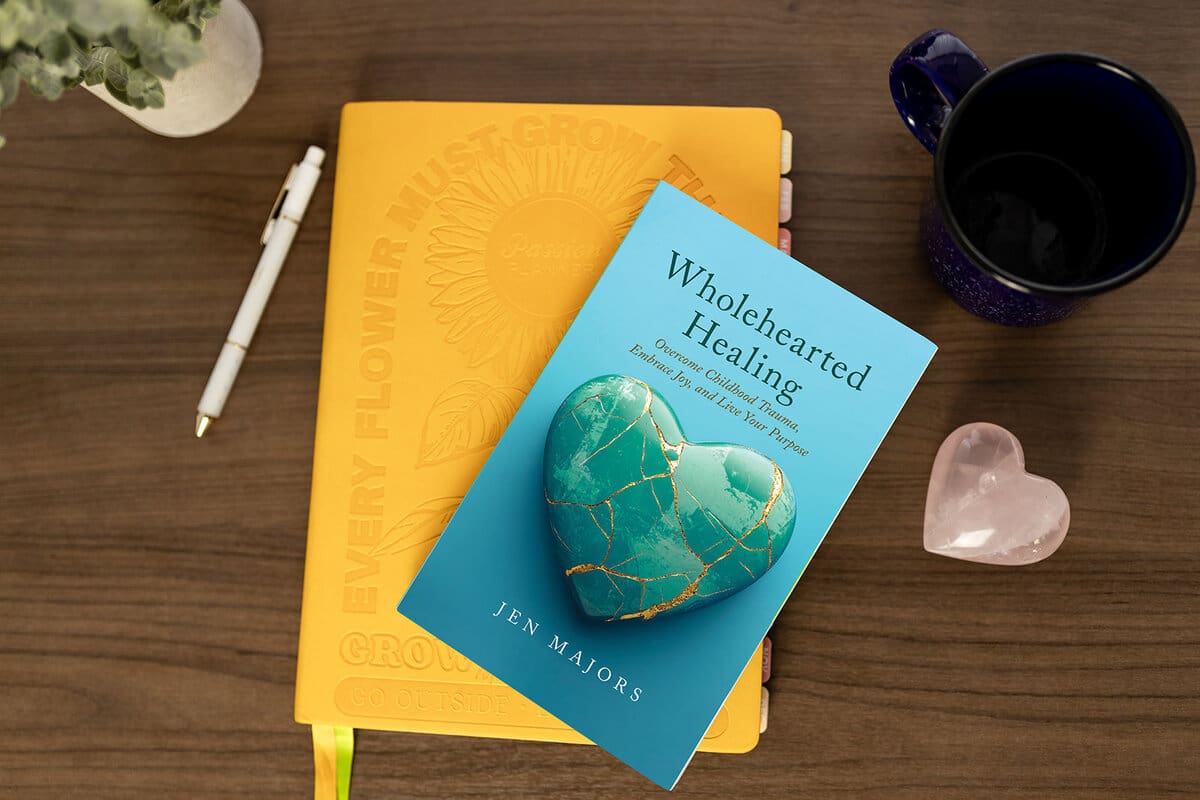
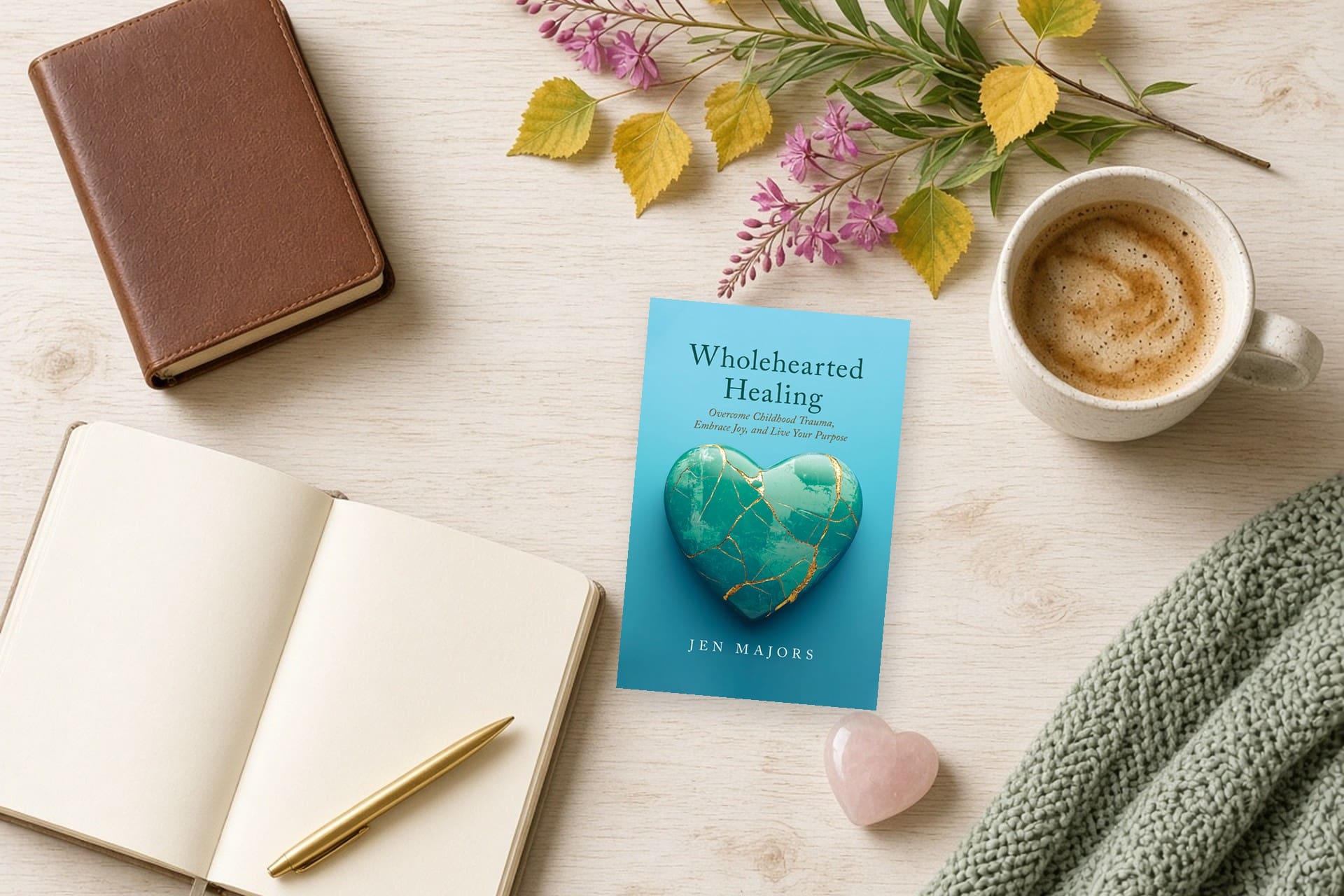
Wholehearted Healing: Overcome Childhood Trauma, Embrace Joy, and Live Your Purpose is part memoir and part guide. Each chapter opens with a poem or Scripture and an affirmation, then my story, and closes with tools to help you reflect on and apply what you’ve read: reflections and simple action steps. If you’d like an overview of the seven steps inside, I walked through them in My Book & The 7 Steps to Wholehearted Healing.
In the introduction, I wrote that this book is for anyone who has endured childhood trauma, loves someone who has, or wants to know more. You might find yourself here if:
- You lived through hard things as a child, and some days you still feel stuck.
- You’re a mom or grandma who wants to build a legacy of love for the next generation.
- You love someone who has walked through childhood pain, and you want to understand.
- You love Jesus and long for a deeper, more honest connection with Him.
- You’re a leader or helper who holds space for everyone else but rarely for yourself.
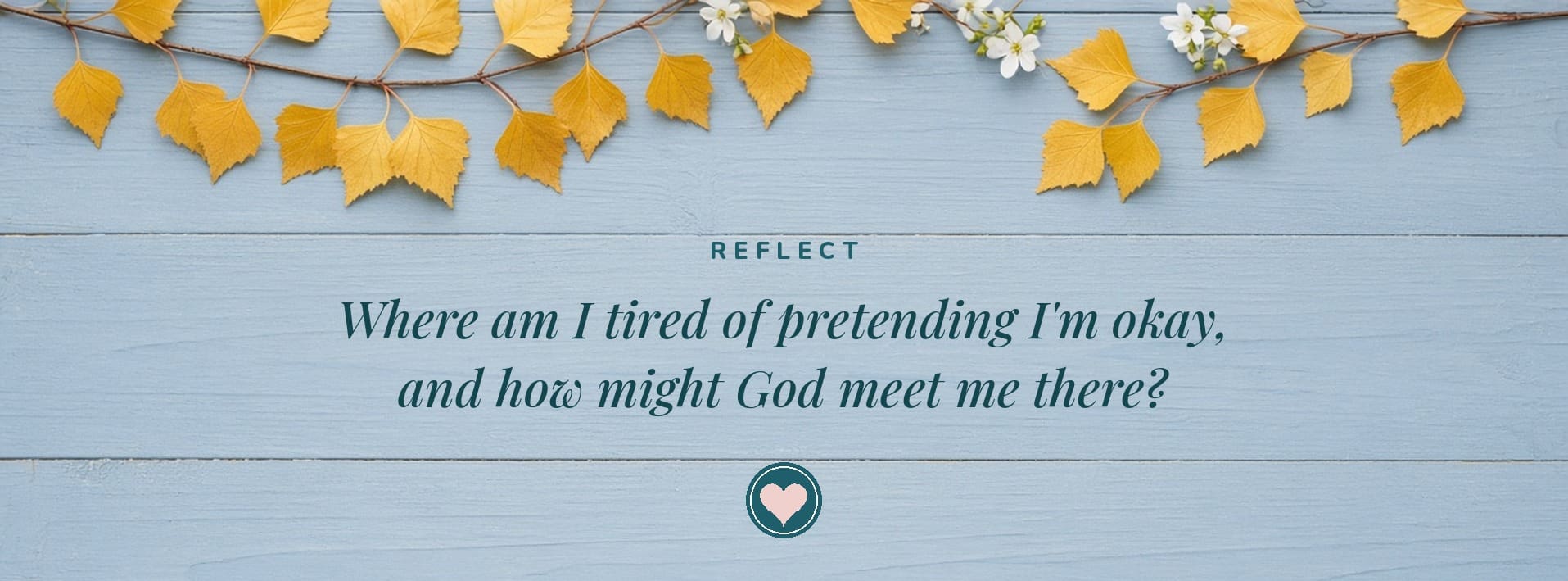
- You’re tired of pretending you’re okay.
Here’s what this book is not: it isn’t therapy, and it doesn’t replace a counselor, a doctor, or your pastor. Think of it as a companion. It’s an invitation to sit with God and your story, one page at a time. If you’re working with a counselor, bring it with you; it may give you words for things you’re ready to talk about.
Here’s what I wrote in the book about those end-of-chapter tools:
“Take your time with them. Be gentle with yourself. Healing is not linear, and every step you take is a step toward freedom.
Remember: you are not alone. Healing is a partnership—between you and God, between you and those who walk alongside you, and between you and the version of yourself you are becoming.”— Wholehearted Healing, Introduction, “How to Use This Book” (p. 16)
How to read it gently
A book like this isn’t meant to be rushed. A few gentle tips:
Read the “Dear Reader” note first. Before chapter one, I share a short note. The book includes honest, detailed stories from my life and some strong language, so please read with care, take breaks, and reach out for support whenever you need to. As I wrote there, “Every word comes from a place of kindness, love, and a sincere desire to inspire healing and hope.” (p. 17)
Keep a journal nearby. The reflection prompts are where much of the quiet work happens. Write what comes up, even if it’s one line.
Go one chapter at a time. Some chapters may feel light. Others may stir something up. Neither one means you’re doing it wrong. You can always skip a chapter and come back later.
Notice your body and your heart. If you feel overwhelmed, close the book. Take a walk or call someone safe. The book will wait for you. So will God.
Pray before and after. It doesn’t need to be fancy. Something as simple as “Lord, meet me here” is enough. I love Jesus’ invitation:
“Come to me, all you who are weary and burdened, and I will give you rest.”
— Matthew 11:28 (NIV)
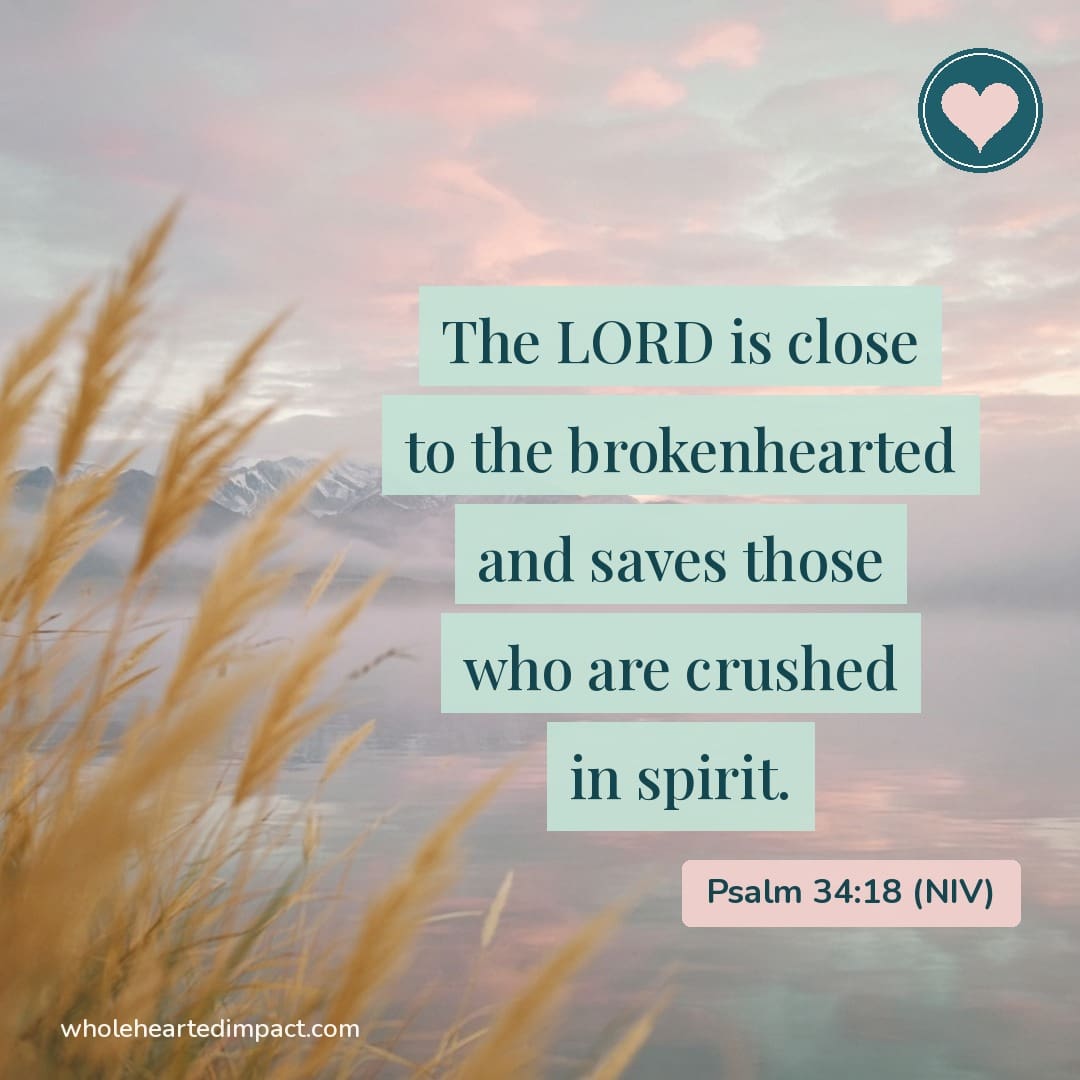
Let others hold you up. If old memories feel heavy, please reach out to a counselor, your doctor, or a trusted pastor. Asking for help is one of the bravest, most faithful things you can do.
Reading it with a friend or small group
Reading Wholehearted Healing with a friend, a mom group, or a church small group can turn private questions into shared prayer.
“Two are better than one, because they have a good return for their labor: If either of them falls down, one can help the other up. But pity anyone who falls and has no one to help them up.”
— Ecclesiastes 4:9-10 (NIV)
A few simple ground rules help everyone feel safe:
- What’s shared here stays here. Agree on that before you start.
- Share only what you choose. Nobody has to tell her story, ever. “I’m going to listen today” is always a full answer.
- Listen more than you fix. Pray for each other instead of giving advice.
- Keep it a reading circle. It’s a place for friendship, Scripture, and encouragement, not counseling. If someone is struggling, gently point her to professional care.

Choose the format that fits your season
Wholehearted Healing comes in paperback, hardcover, and Kindle, and as an audiobook narrated by Danielle Fliller (about 4.5 hours, unabridged). If you’re juggling kids, commutes, or long Alaska winter evenings, listening may be the gentlest way in.
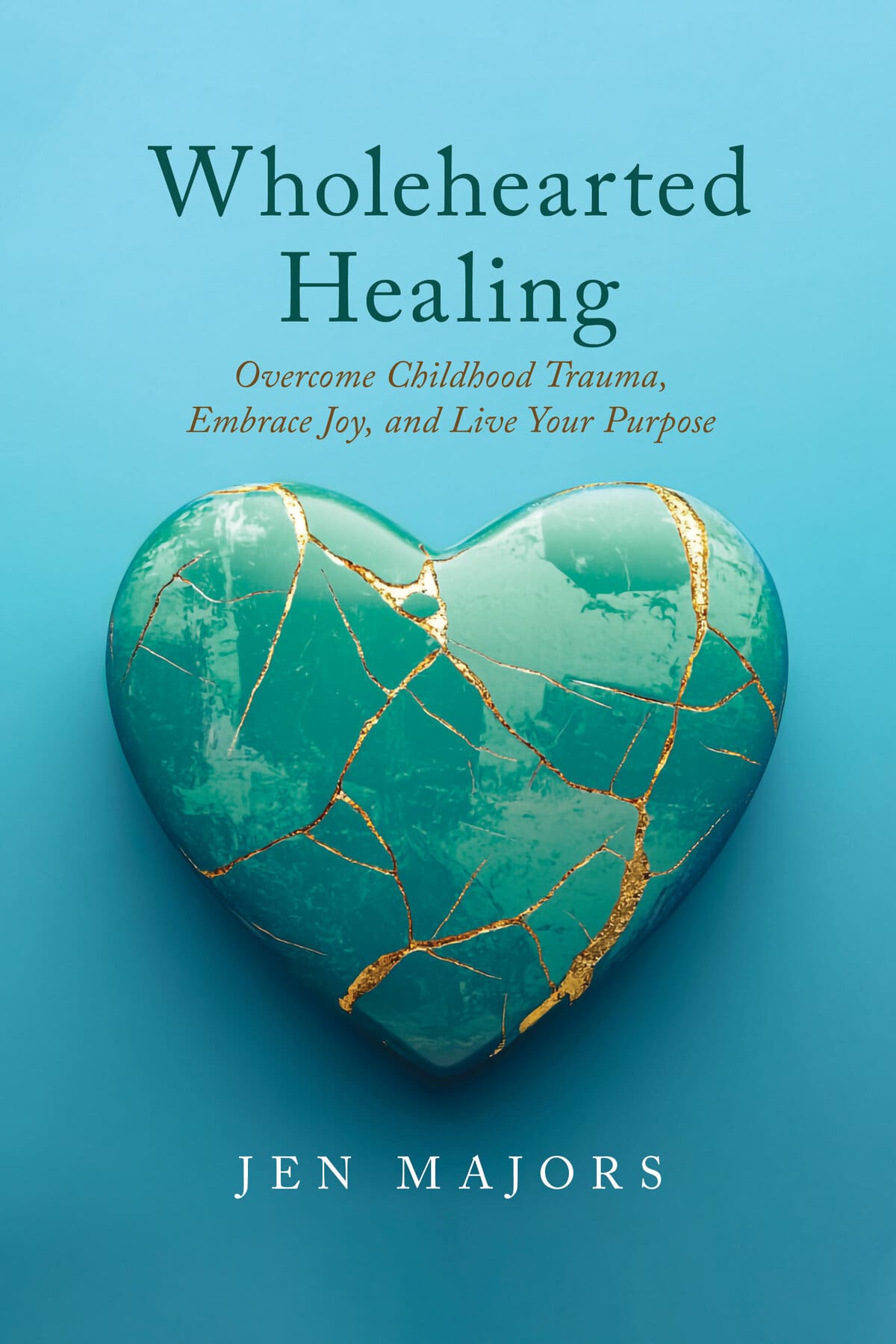
Other formats: Kindle | Audible audiobook | Hardcover
Try this: a 10-minute “before you begin” page
Before you open chapter one, grab your journal and give yourself ten quiet minutes:
- Write today’s date and one honest sentence about how your heart feels right now.
- Finish this sentence: “I’m picking up this book because…”
- Write the name of one safe person you can text if reading gets heavy.
- Write a one-line prayer, like “Lord, meet me here.”
That’s it. You’ve already begun.
A gentle invitation
If your heart said “that’s me” to anything here, I’d love for you to pick up a copy of Wholehearted Healing in whatever format fits your life right now.
And if you’d like company along the way, The Wholehearted Impact Podcast returns with new episodes on November 2. You can find it here.
With love and grace,
Jen
A note of care: Wholehearted Healing and this blog are faith-based personal growth resources. They are not counseling or therapy. If you’re carrying something heavy, please reach out to a licensed mental health professional, your doctor, or a trusted pastor. If you are in crisis or thinking about harming yourself, call or text 988 (Suicide & Crisis Lifeline, 988lifeline.org) or call 911.
Wholehearted Impact provides faith-based life coaching for education and personal growth. Jen Majors is not acting as a licensed mental health professional, and coaching is not counseling, psychotherapy, medical care, or a substitute for them. Coaching doesn’t diagnose or treat any mental or medical condition. If you are under the care of a mental health professional, please consult them before joining. If you are in crisis or thinking about harming yourself, call or text 988 (Suicide & Crisis Lifeline, 988lifeline.org) or call 911.
Related reading


Add a comment